Tips for Better Focus While Working from Home


Working from home has become a common practice for many people worldwide. While it offers flexibility and comfort, it can also present unique challenges when it comes to staying focused. Unlike a traditional office setting, home environments often come with distractions that make it difficult to maintain concentration and productivity. Fortunately, there are effective strategies you can implement to improve your focus and make the most of your work-from-home experience.
Create a Dedicated Workspace
One of the most important steps to better focus is setting up a dedicated workspace. This area should be used exclusively for work-related activities. It helps your brain associate that space with productivity, making it easier to switch into work mode.
– Choose a quiet spot in your home away from high-traffic areas.
– Ensure your desk and chair are comfortable and ergonomically friendly.
– Keep your workspace organized and free of clutter.
– Personalize the space with items that inspire you but avoid excessive decorations that could distract.
Establish a Consistent Routine
Routine helps train your brain to expect work during certain hours. When you wake up at the same time and start work in a similar way every day, it sets the tone for focus and productivity.
– Begin your day with a morning routine such as stretching, a healthy breakfast, or meditation.
– Set start and end work times to create clear boundaries.
– Schedule regular breaks to rest and recharge.
– Use calendar tools to plan tasks and meetings, helping you stay on track.
Limit Distractions
Distractions are one of the biggest challenges when working from home. Taking proactive steps to minimize interruptions can greatly improve your ability to focus.
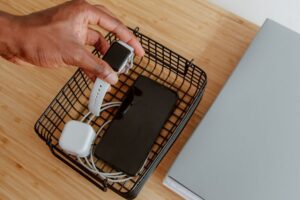
– Turn off non-essential notifications on your phone and computer.
– Use apps or browser extensions that block distracting websites during work hours.
– Inform family members or roommates about your work schedule so they know when not to interrupt.
– Consider noise-cancelling headphones or background music like white noise to drown out household sounds.
Practice Time Management Techniques
Effective time management can help you maintain focus and accomplish more in less time. Several popular methods can be adapted to your work style.
The Pomodoro Technique
– Work in focused 25-minute intervals called “Pomodoros.”
– After each interval, take a 5-minute break.
– After completing 4 Pomodoros, take a longer break (15–30 minutes).
– This approach encourages short bursts of intense focus with regular rest periods.
Time Blocking
– Divide your workday into blocks dedicated to specific tasks or types of work.
– Assign time slots for emails, meetings, project work, and breaks.
– This prevents multitasking and helps you concentrate on one activity at a time.
Prioritize Tasks
Starting the day by prioritizing tasks helps you focus on what matters most.
– Use a to-do list or task management app to organize your work.
– Identify your most important or challenging tasks and tackle them when your energy is highest.
– Break large projects into smaller, manageable steps.
– Celebrate progress to stay motivated.
Take Care of Your Well-being
Your physical and mental health significantly impacts your focus and productivity.
– Make sure to get enough sleep — tiredness reduces attention span.
– Stay hydrated and eat balanced meals.
– Incorporate physical activity into your day, such as stretching or a short walk.
– Use relaxation techniques like deep breathing or mindfulness to reduce stress.
Set Clear Boundaries
Working from home can blur the line between professional and personal life. Setting boundaries helps you protect your focus and prevent burnout.
– Communicate your work hours to family and friends.
– Avoid checking work emails or messages outside of your scheduled times.
– Create a ritual to “end” your workday, like shutting down your computer or tidying your desk.
Utilize Technology Wisely
Technology is a double-edged sword—it can either help or hinder your focus.
– Use productivity apps for task management, note-taking, and time tracking.
– Engage in virtual meetings with video to stay connected but schedule them wisely to avoid fatigue.
– Limit social media use during the workday or keep it for breaks only.
Reflect and Adjust Regularly
Improving focus is an ongoing process that requires reflection and adaptation.
– At the end of each day or week, review what worked and what didn’t.
– Adjust your routine, workspace, or time management strategies as needed.
– Be patient and flexible, recognizing that some days will be more productive than others.
—
Working from home offers many advantages, but maintaining focus requires intentional effort. By creating a dedicated workspace, managing your time wisely, limiting distractions, and taking care of your overall well-being, you can improve your concentration and enjoy a more productive workday. Try adopting these tips step-by-step and see what best fits your individual needs. With practice, working from home can become a fulfilling and efficient experience.